Vienna City Card or Vienna Pass: which one suits an art trip
The Vienna City Card covers transport and reduced entry, the Vienna Pass covers admission: how to choose for museums, Hundertwasser and the free canal walls.

We earn a commission on some bookings.
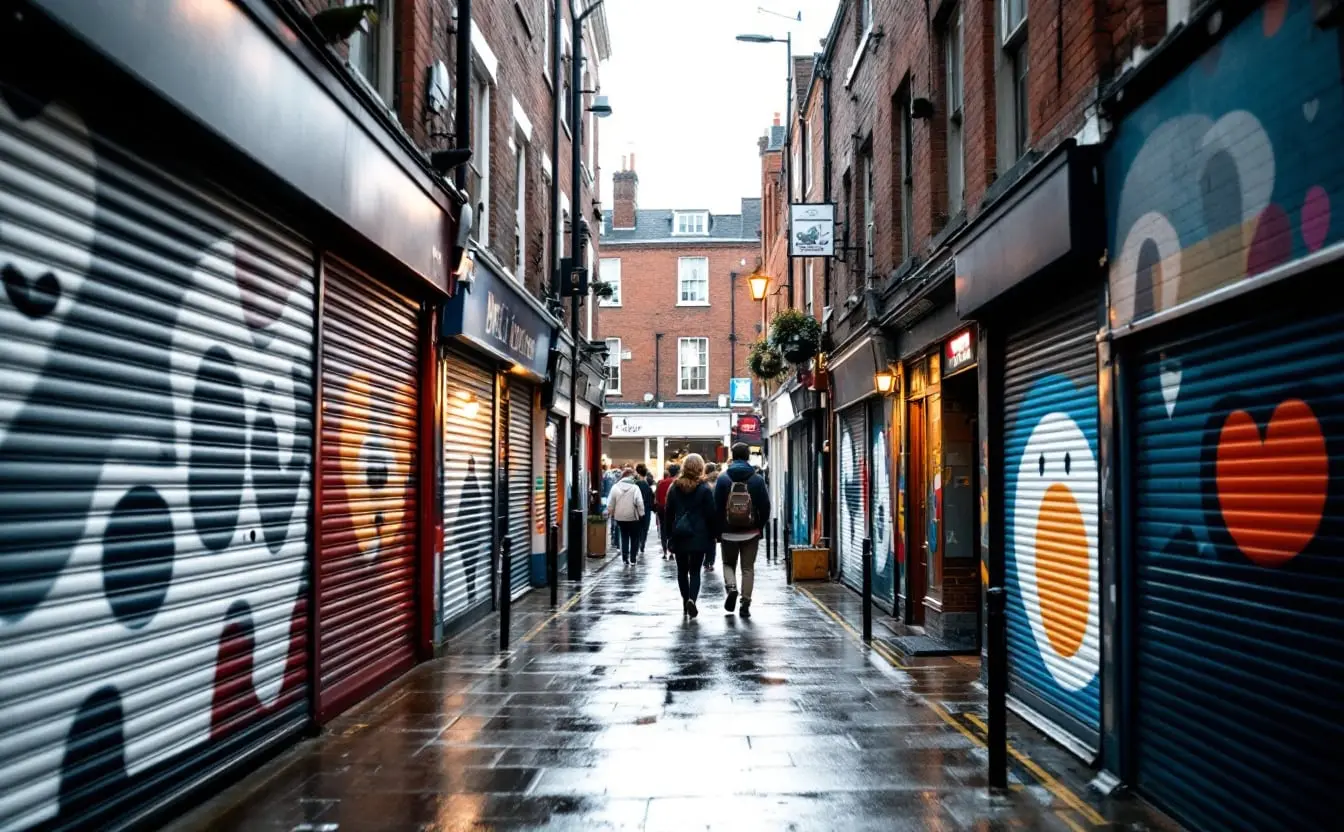
The best street art in Vienna costs nothing. The painted walls along the Donaukanal, the façades Hundertwasser designed, the Secession's gilded dome by the Naschmarkt: you can see all of them from the pavement without a ticket. That is worth saying first, because the question of which pass to buy only matters for the other half of an art trip, the half that happens indoors.
And indoors, Vienna is expensive and generous at once. The great collections are close together, the trams are frequent, and two visitor passes compete for your attention: the Vienna City Card and the Vienna Pass. They sound alike and do quite different jobs. One is mainly a transport ticket with reduced prices attached; the other is mainly an admission ticket with a sightseeing bus attached. Here is how I would choose between them, with a third option from the city's transport company and a fourth that many visitors forget, which is to buy neither.
Two passes, two ideas
The Vienna City Card
The Vienna City Card is the city's official visitor card, promoted by the Vienna Tourist Board. In its usual form it combines travel on Vienna's public transport with reduced prices at museums, sights, theatres, concerts, shops and restaurants. The tourist board lists versions for 24 hours, 48 hours, 72 hours and 7 days, and there is a version without the transport ticket for people who only want the reductions. You can add a hop-on hop-off bus ticket or an airport transfer.
The key word is reduced. The card does not get you into the Kunsthistorisches Museum, the Belvedere or the Albertina for nothing; it gets you in for less. The reductions only apply while the card is valid, and you can use the card to book reduced tickets online before you travel. Its real value is the transport. If you are going to ride trams and the U-Bahn all day anyway, the reductions are a bonus on top of a ticket you needed.
The Vienna Pass
The Vienna Pass is a sightseeing pass. Its official site describes free admission to a long list of sights, up to ninety of them, priority entry at some of the busiest, and unlimited use of the hop-on hop-off sightseeing buses. It runs for 1, 2, 3 or 6 consecutive calendar days. Public transport is not part of the standard pass; the site offers a travel card as an extra. For some attractions you also have to book a time slot, so the pass alone is not always enough to walk in.
For an art visitor the list matters more than the number. On the official list I found the Albertina, the Upper and Lower Belvedere, the Kunsthistorisches Museum, the Leopold Museum, the Kunsthalle Wien in the MuseumsQuartier and the KunstHausWien, Hundertwasser's museum. I did not find the Secession. There is also a Flexi version, where you choose a fixed number of admissions from the list instead of buying days.
And the easy citypass
Wiener Linien, the city's transport company, sells its own combined ticket, the easy citypass. Once validated it gives unlimited journeys on Vienna's public transport for up to seven days, plus reduced museum admission and offers at selected restaurants and shops. One child under 15 or one dog travels free with each ticket. It is sold at Wiener Linien ticket offices, ticket machines and in the WienMobil online shop. In practice it sits in the same family as the City Card: transport first, reductions second.
Three art trips, three answers
Passes only make sense against a plan. Here are three common ones.
The museum marathon
You have two or three days and want the big collections: Klimt's The Kiss in the Upper Belvedere, the Schiele rooms at the Leopold Museum, the old masters at the Kunsthistorisches Museum, the Albertina, and Hundertwasser's museum. This is the trip the Vienna Pass is designed for. Add up the admissions you would really use, compare that with the cost of a pass for the same number of days, and be honest about pace. Two large museums a day is a lot. Three is a forced march, and the pass only pays if you keep marching.
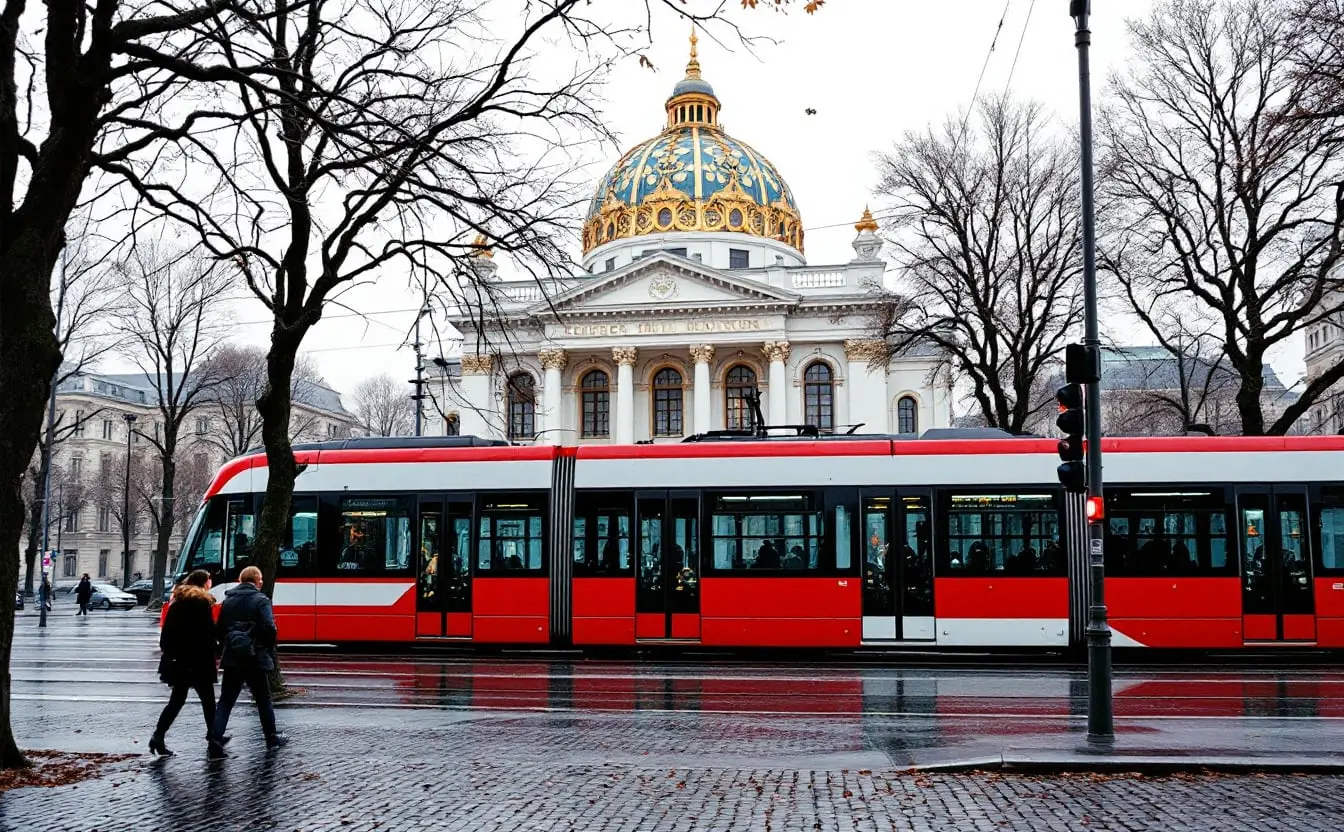
Remember that the Vienna Pass does not include the trams. Several of these museums cluster around the Hofburg and the MuseumsQuartier, within easy walking distance of each other, but the Belvedere and the KunstHausWien lie further out, and on a tight schedule you will want a tram. You may still need a transport ticket.
The slow walker
You want buildings and walls more than galleries: the Secession, where Klimt's Beethoven Frieze from 1902 is on permanent display, the Wien Museum on Karlsplatz, the courtyards of the Gemeindebau, the Donaukanal, and perhaps one big collection. Here the City Card or the easy citypass makes more sense. You will ride a lot of trams, especially if you go out to the Karl-Marx-Hof in Heiligenstadt, and you will visit only a few paid sights, where a reduction is welcome.
Check before you go, too, how much of this costs nothing at all. The Wien Museum's permanent exhibition is free for everyone, and it includes paintings by Klimt, among them his portrait of Emilie Flöge, as well as work by Schiele and Richard Gerstl. That alone changes the arithmetic.
A weekend of walls and one museum
You are here for two days, mostly for the Donaukanal and the Hundertwasser buildings, with one museum on a rainy afternoon. Buy neither pass. A plain public transport ticket and a single museum admission will almost certainly cost less, and you will not feel obliged to fit in sights you do not care about because you have already paid for them.
What costs nothing
Most of what interests me in Vienna's public art is outside, and free. Our Vienna street art walk follows the Donaukanal downstream from Spittelau, where the walls at Roßauer Lände and around the Augartenbrücke are legal places to paint, changing from week to week. It passes Otto Wagner's small weir house with its band of blue tiles, the memorial on Morzinplatz, and ends at the Hundertwasserhaus, which is municipal housing and can only be seen from the street.
Add the Secession's exterior: Joseph Maria Olbrich's white block of 1897 to 1898, crowned with a dome of gilded laurel leaves, with the Secession's motto in gold above the entrance. Add the council estates, where the courtyards are mostly open by day and the architecture is the art. None of these needs a pass, and none of them would be any better with one. If the walls on the canal leave you wondering what separates a piece from a tag, our note on street art and graffiti is a good companion.
Questions
Does the Vienna Pass include public transport?
Not as standard. The official site offers a travel card as an extra, so check which version you are buying. The hop-on hop-off sightseeing buses are included.
Does the Vienna City Card get me into museums free?
No. It gives reduced prices at participating museums and sights while the card is valid. Free entry is what the Vienna Pass sells.
Is the Secession on the Vienna Pass?
I could not find it on the official list of included sights. Check the current list before you buy if the Beethoven Frieze is a priority.
Is there a pass that covers the Donaukanal walls?
No pass is needed. The canal promenade is public space, open at all hours, and looking costs nothing.
Before you buy either one
- Write down the paid sights you will actually visit, day by day.
- Check each one against the current list of the pass you are considering.
- Look for sights that need a timed booking on top of the pass.
- Decide whether you need public transport, and for how many days.
- Read the current terms on the official sites. Inclusions, versions and validity change, and I have left prices out on purpose.
Further reading
Rick Steves Pocket Vienna is a slim guide to the central districts, light enough for a long day between museums, and it helps you plan the day before you price a pass. John Berger's Ways of Seeing, the short book that came out of his 1972 television series, is about how paintings and images shape the way we look, and it is good company on a tram between the Belvedere and the Leopold. These picks come from publisher details and published reviews rather than our own testing.
One last walk
Whatever you buy, keep one late afternoon for the canal. Start at the Augartenbrücke, walk downstream along the city bank as the light goes, and look across the water to Wagner's weir house, its band of blue tiles turning grey in the dusk. Then carry on towards Schwedenplatz past wall after painted wall. It is the best free gallery in the city, and nobody checks a pass at the entrance.